A good fit if
- You bought with hard money or cash and finished the rehab
- The property is rented or ready to rent
- You want to pull equity from a rental you already own
Probably not if
- The rehab isn't finished
- You plan to sell within a year or two
- The property is your primary residence
How the BRRRR Refinance Works
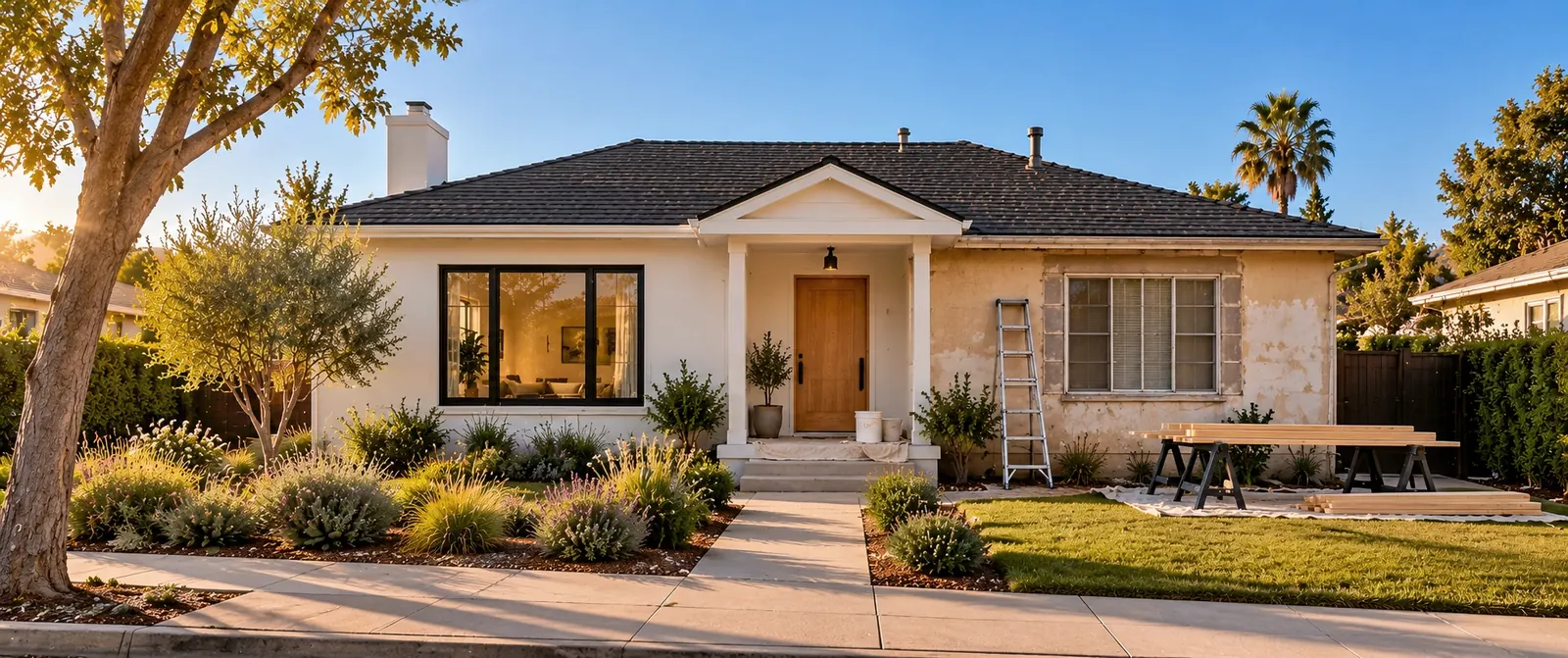
BRRRR stands for buy, rehab, rent, refinance, repeat. You buy with short-term money, renovate, rent it out, then refinance into a long-term loan based on the new appraised value. The cash you pull out funds the next purchase.
Example: you buy for $180,000 and spend $40,000 on the rehab. It appraises at $300,000. A 75% cash-out loan is $225,000, which pays off a $215,000 hard money balance and returns about $10,000 before closing costs, with a 30-year loan replacing the short-term debt.
Because it's a DSCR loan, the refinance qualifies on the property's rent, not your tax returns. That's what lets active investors keep refinancing without hitting a debt-to-income ceiling.
DSCR Cash-Out Refinance Requirements
- Credit: often from 640, with the highest cash-out LTVs at 720+.
- Max LTV: usually 70–75%; up to 80% at some lenders for strong files.
- DSCR: 1.0x is typical; some lenders want more for cash-out or for vacant properties.
- Lease: usually required; some lenders accept market rent on a vacant property with tighter terms.
- Seasoning: often 6 months to use the new appraised value; 3 months or less at some lenders.
- Reserves: often 2–6 months. Some lenders let cash-out proceeds count toward reserves.
Seasoning: How Soon Can You Refinance?
- Under 3 months: a few lenders use the new appraised value right after the rehab, usually with tighter terms; others cap you at your purchase price plus documented rehab.
- 3 months: accepted by some lenders.
- 6 months: the most common standard, with the most lender options. Stricter lenders want 12.
- Bought with cash? Delayed financing can let you refinance right away, up to your documented cost.
Seasoning is the rule that trips up the most BRRRR deals. Ask me before you close the purchase loan, so the refinance timing is planned from day one. More detail is in the BRRRR cash-out refinance guide.
How to Set Up a BRRRR Deal for the Refinance
- Buy with the exit in mind. Make sure the after-repair value and rent will support a 70–75% refinance.
- Document the rehab. Keep invoices, receipts, permits, and before-and-after photos. Appraisers and underwriters ask for them.
- Get it rented. A signed lease at market rent gives you the most lender options.
- Check seasoning. Count from the purchase date on title.
- Run the numbers. Use the DSCR calculator with the new loan amount and your actual rent.
- Apply. Send me the property, and I'll match the lender to your seasoning and rent.
Documents You'll Need
- Photo ID and credit authorization
- The current loan statement (hard money or otherwise) and payoff contact
- The signed lease, and proof of the deposit or first month's rent if requested
- Rehab invoices, scope of work, and permits
- Bank statements for reserves
- Insurance declarations page
- LLC documents if the property is in an entity
Cash-Out on Rentals You Already Own
The same loan works for rentals you've held for years. If you've built equity and want to use it for another purchase or anything else, a DSCR cash-out refinance does it without income documentation. If you want to keep a low first-mortgage rate, compare it with a second-lien option in HELOC vs. cash-out refinance.
Cash-Out Refinance vs. Rate-and-Term
| Cash-out | Rate-and-term | |
|---|---|---|
| Cash to you | Yes | No (small amounts only) |
| Typical max LTV | 70–75% | 75–80% |
| Pricing | Slightly higher | Slightly lower |
| Best for | Funding the next deal | Replacing hard money at the lowest cost |
Cash-Out Refinance FAQ
Do I need a tenant in place?
Most lenders want a signed lease at closing. Some accept the appraiser's market rent for a vacant property, usually with tighter terms, such as a 700 score, a 1.15x DSCR, and a lower LTV.
How soon can I refinance after buying?
Six months is the most common seasoning to use the new value. Some lenders allow 3 months or less, usually with tighter terms.
Can I refinance out of hard money with a DSCR loan?
Yes. That's one of the most common uses. The DSCR loan pays off the hard money and replaces it with a long-term loan.
What's the difference between rate-and-term and cash-out?
Rate-and-term replaces your loan without taking cash. Cash-out increases the balance so you receive the difference. Cash-out usually has slightly higher pricing and a lower maximum LTV.
Is the cash I take out taxable?
Loan proceeds generally aren't income, but talk to your tax professional about your situation.
Business-purpose loans for investment properties in California and other states where permitted. Guidelines shown are typical ranges from published Non-QM lender guidelines as of October 2026 and are not a commitment to lend. Your actual terms depend on credit, property, loan amount, and the lender's current guidelines, and can change without notice.